Introduction
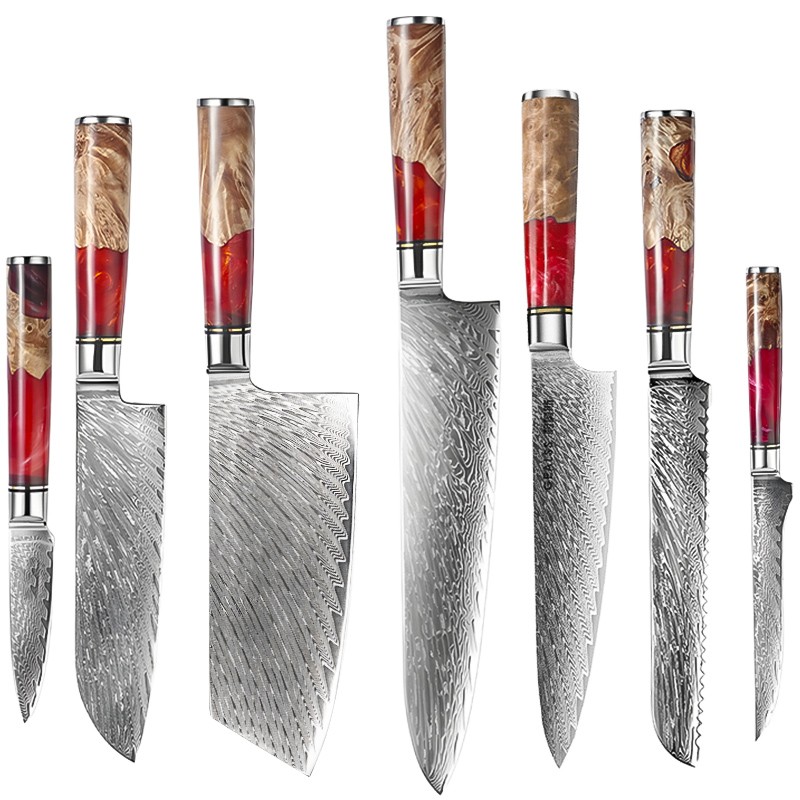
Damascus steel knives sell. The layered pattern catches the eye on a retail shelf or product page, and buyers in North America and Europe keep asking for them. But sourcing damascus is not the same as sourcing a stamped blade. The pattern is created through a multi-step forging and finishing process, and small choices in the billet, etching bath or handle material change both the look and the price. This guide covers what B2B buyers should know before requesting a quote from an OEM/ODM factory.
What Damascus Steel Means in Modern Production
Today's damascus is pattern-welded steel, not the historical wootz crucible steel. Two or more steels with different carbon and alloy content are stacked, forge-welded at high temperature, then folded, drawn out or cut and restacked to multiply the layers. Common builds run from around 33 to 67 layers, with higher layer counts and mosaic or twist patterns requiring more forging steps and more scrap risk. A high-carbon core is often sandwiched between softer cladding layers to balance edge retention with toughness.
After the billet is built, the blade is blanked, profiled, ground and heat treated - austenitising, quenching and tempering - then polished. The final step is acid etching, which attacks the layers at different rates and reveals the visible pattern. Etching depth, bath strength and dwell time decide whether the pattern looks subtle and grey or bold and dark.
Manufacturing Capability and Materials
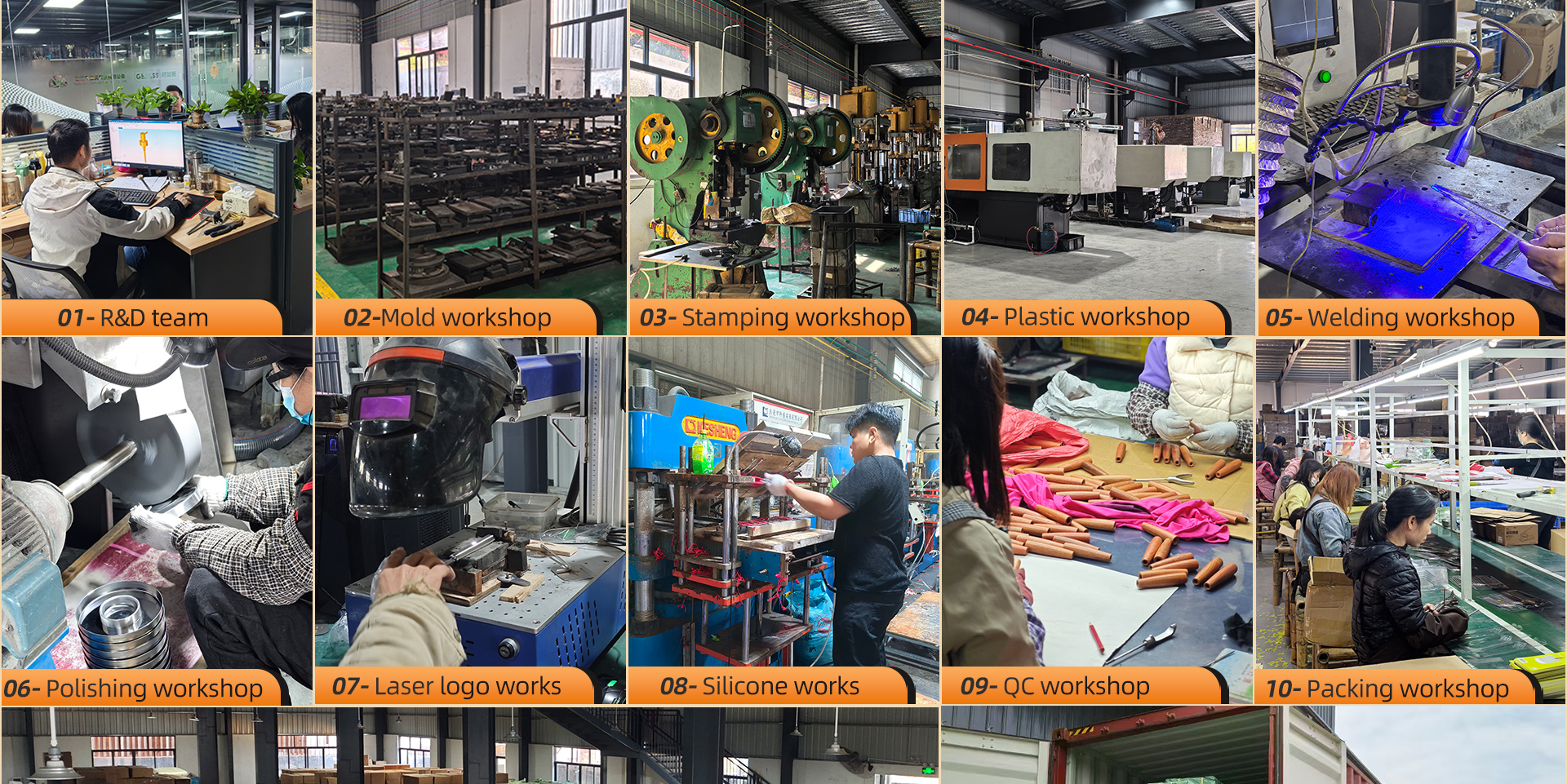
Zenttop is based in Yangjiang, Guangdong, China's established knife-making region, with more than 18 years in kitchen knife production, OEM and ODM. The factory covers 40,000 m2 and runs at a capacity of 50,000 pieces per day, and it operates under BSCI and ISO9001.
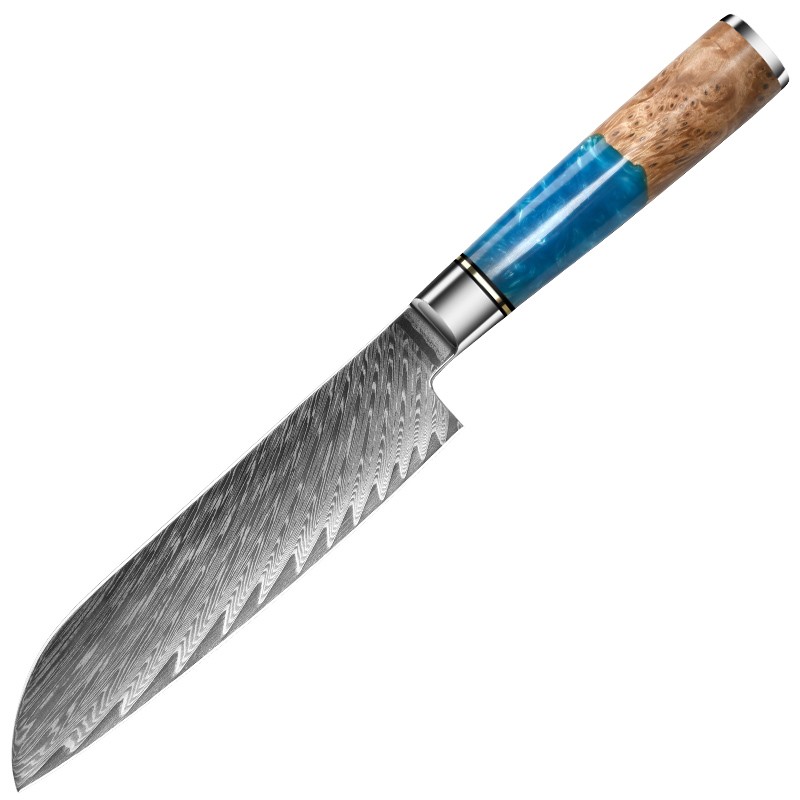
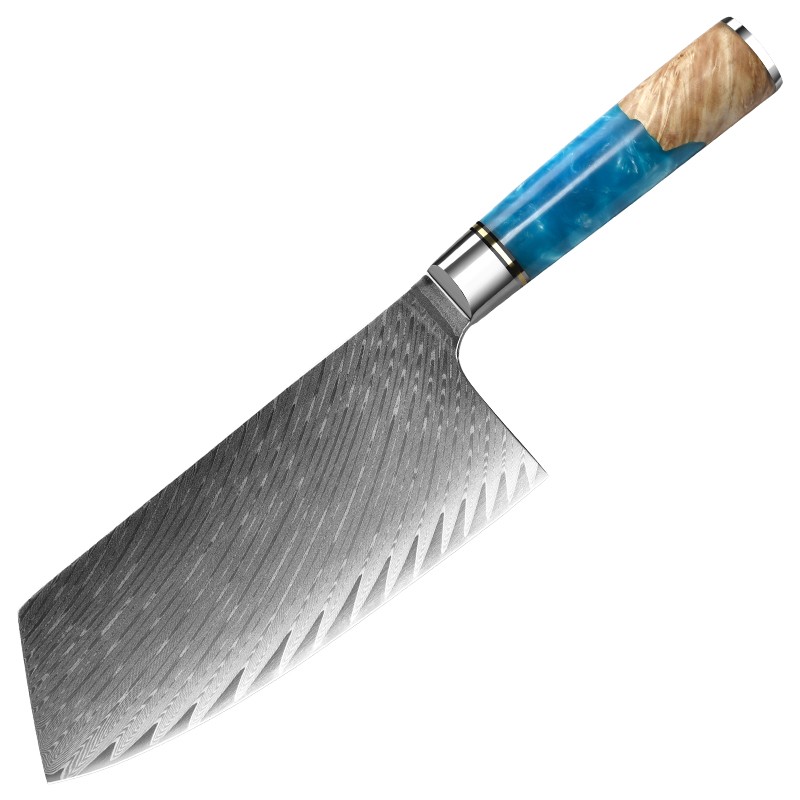
Typical build choices for damascus kitchen knives include:
MOQ, Lead Time and Sampling
MOQ and lead time on damascus projects depend on the pattern complexity, handle material, packaging format and how much custom tooling or branding is involved. Because each build is quoted individually, the practical approach is to send your target blade size, layer count, handle material, packaging and logo files, and request a sample first. A physical sample lets you check pattern contrast, grind symmetry, handle fit and edge geometry before committing to a production run. For ODM projects, factory design support can shorten the development cycle considerably.
Conclusion
Damascus knife manufacturing rewards buyers who understand the process: the layer build determines the look, heat treatment determines performance, and etching determines whether the pattern sells. Working with an experienced OEM/ODM partner in Yangjiang removes most of the trial and error. Send your specifications to inquiry@zenttop.com and the team can advise on achievable builds, MOQ and lead time for your market.