Inspect at the factory, not at the port. Once the container is loaded, your only leverage is a claim. Run this list before the goods leave the line.
1. Freeze the pre-production sample Approve a signed, dated sample before mass production starts. Photograph it, seal it, and attach it to the PO. Every later dispute is settled against that sample, not against memory. Get the factory to confirm in writing that final inspection before shipment is measured against it.
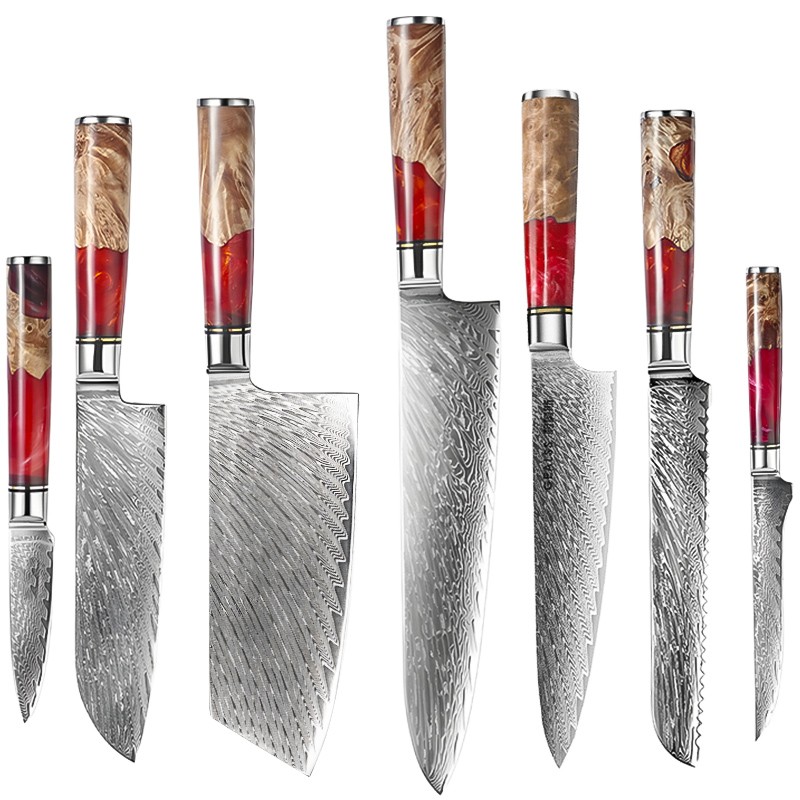
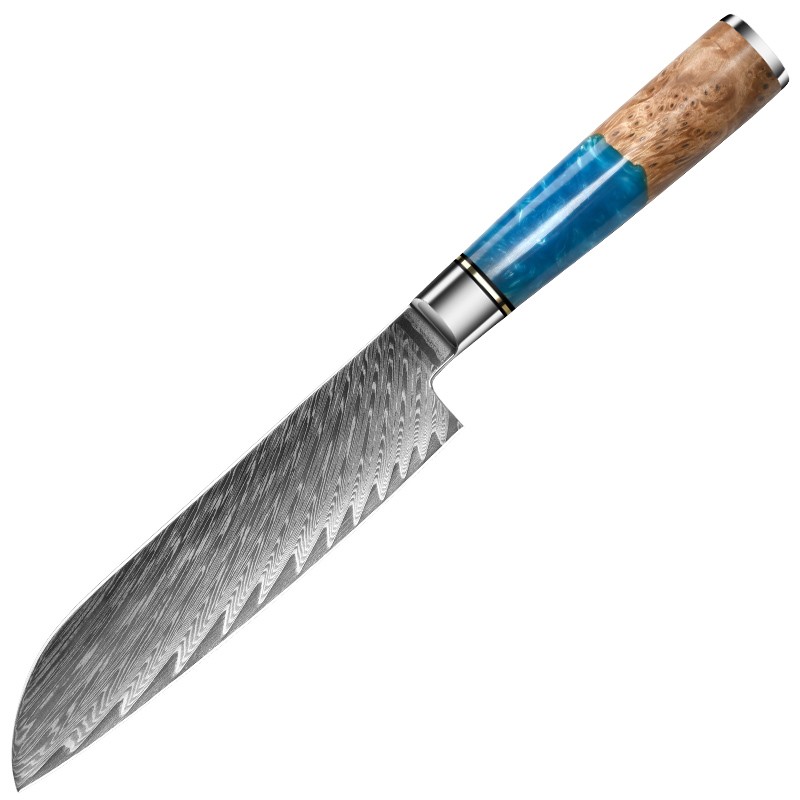
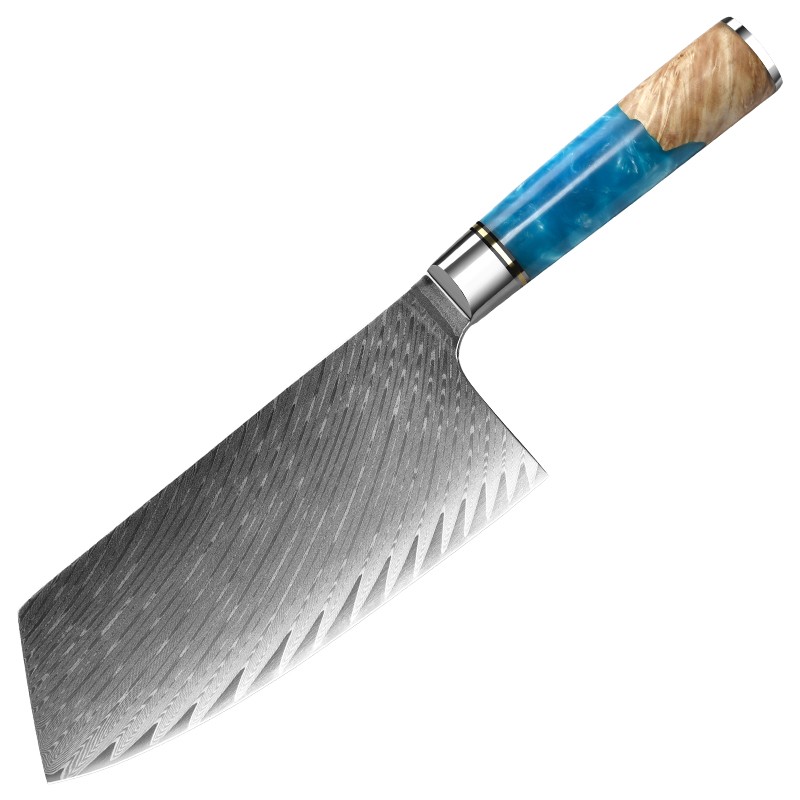
2. Verify the steel grade, not the marketing name A "Damascus" set can be a 67-layer 9Cr18MoV core blade or a 4Cr13 blade with a laser-grained pattern. Those are different products at different prices. Ask for the mill certificate or product testing report and match the grade to each line item: 3Cr13, 4Cr13, 9Cr18MoV, 430 bolster.
3. Test the edge, not the polish Cut 20 sheets of copy paper and one corrugated carton with three knives pulled from a random carton. Look for rolled edges, chips and burrs. An edge that dies after ten cuts is a heat-treatment fault, and it will be in every unit of the run.
4. Run a fingernail along the handle joint Any gap, glue line or proud rivet traps water and fails in the customer's dishwasher. On resin and wood-composite handles, check for cracks, color drift between pieces, and bolster alignment.
5. Confirm the markings Logo, barcode, country of origin, item number, retail claims. A wrong barcode is a full rework, not a sticker fix.
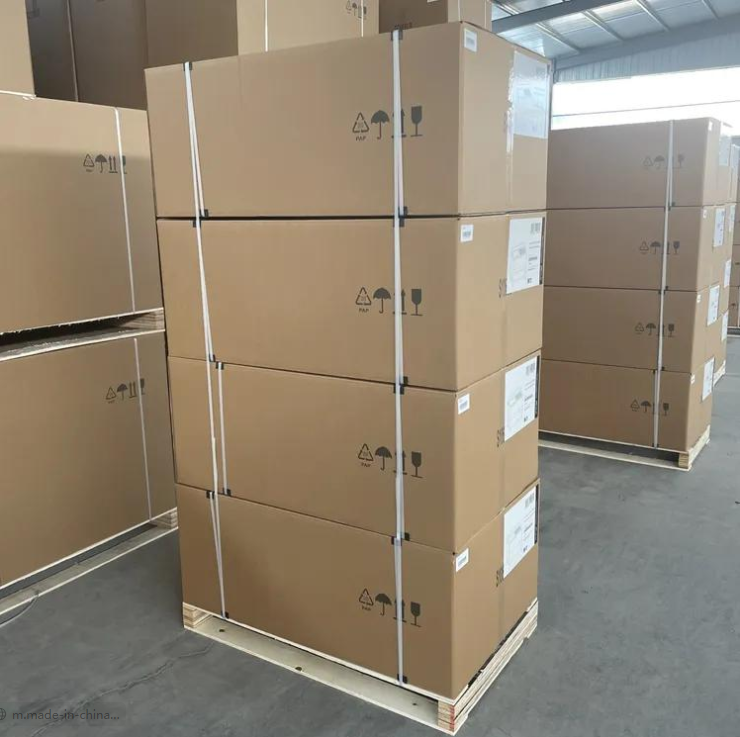
6. Drop-test the retail box from 80 cm Then check blade guards, moisture barrier and carton compression. Ask how the knives sit in the carton, so a 50,000 pieces/day line does not stack blade tips against each other.
7. Sample with an AQL plan, not with a look Pull cartons from the start, middle and end of the run. Classify defects in writing: critical (wrong steel, wrong marking), major (handle gap, edge chip), minor (packaging scuff). Zenttop has run 6 QC steps for 18 years of exporting from Yangjiang, and holds a defect rate under 0.3% — ask any factory for the records that prove their number.
8. Collect documents before the truck arrives Product testing reports, BSCI audit, ISO 9001 certificate, packing list, and a final inspection report signed by both sides. Missing paperwork at the port costs more than a re-inspection at the factory.
Book the inspection in the right week For a 300-piece 7-Inch Damascus Chef's Knife at 15–30 days, inspect in the final week of production, before packing closes. For a 1,000-piece 8-Inch Stainless Steel Chef Knife at 20–35 days, same logic: inspection during production lets the line rework; inspection after packing only lets you argue.
Send your factory one document before you issue the PO: the steel grade per line item and the AQL level you will inspect to. Then ask which of their QC steps catches a wrong-grade blade, and get the answer in writing.